One million SEK. This is what Lundakarnevalen will give back to student life.
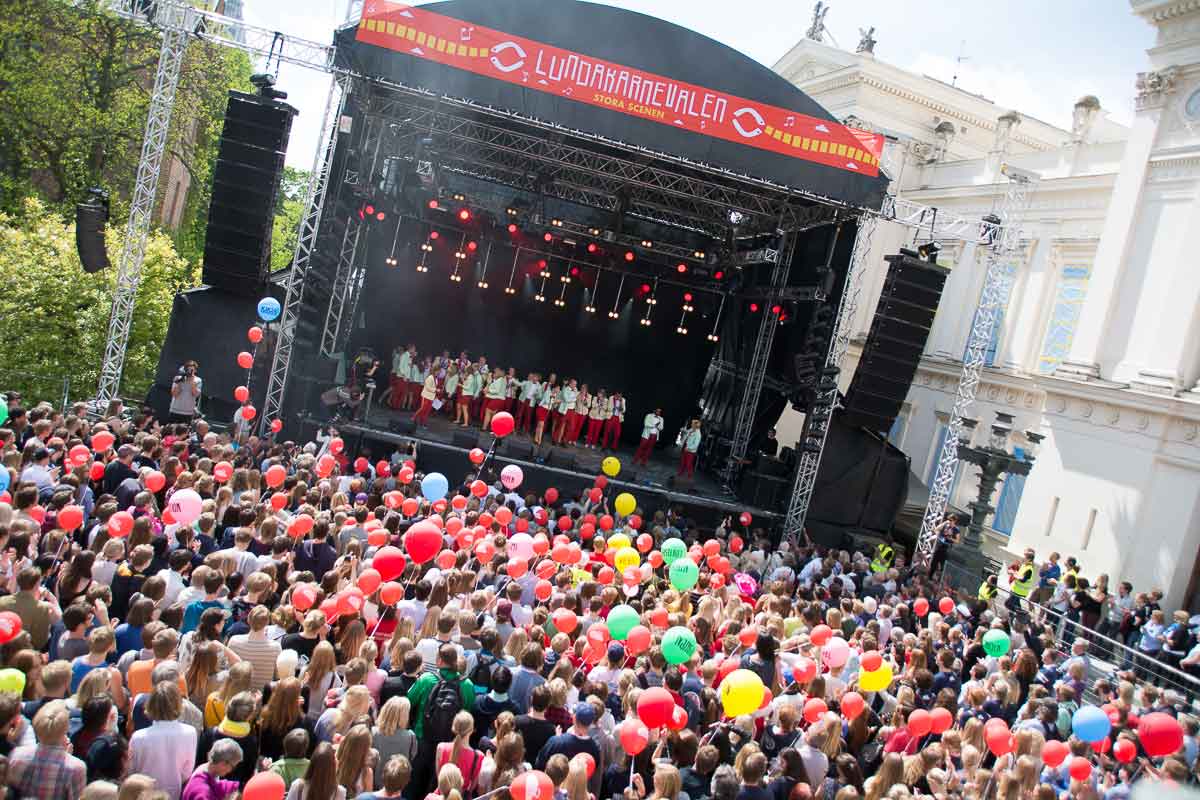
For many people, Lundakarnevalen is but a memory, but for financial manager Joakim Winnerljung, it has just ended. Now, he is finished with the accounts, which show that Futuralkarnevalen has made a great profit. Over 30 million SEK were generated in connection with the three days in May, and it will now be possible to distribute about one million SEK from the profit to student organisations at Lund University.
“It is a very positive thing from a union- and student life-perspective. With these kinds of yields, we are hoping to see more initiatives and a more enjoyable student life,” Joakim Winnerljung says.
How much profit did the carnival make?
“The calculations are not quite finished yet, but I am hoping that apart from the yields, it will be possible to refill the initial capital sufficiently so that it ends up on about three million SEK. The closing of the books will be finished in February,” he says.
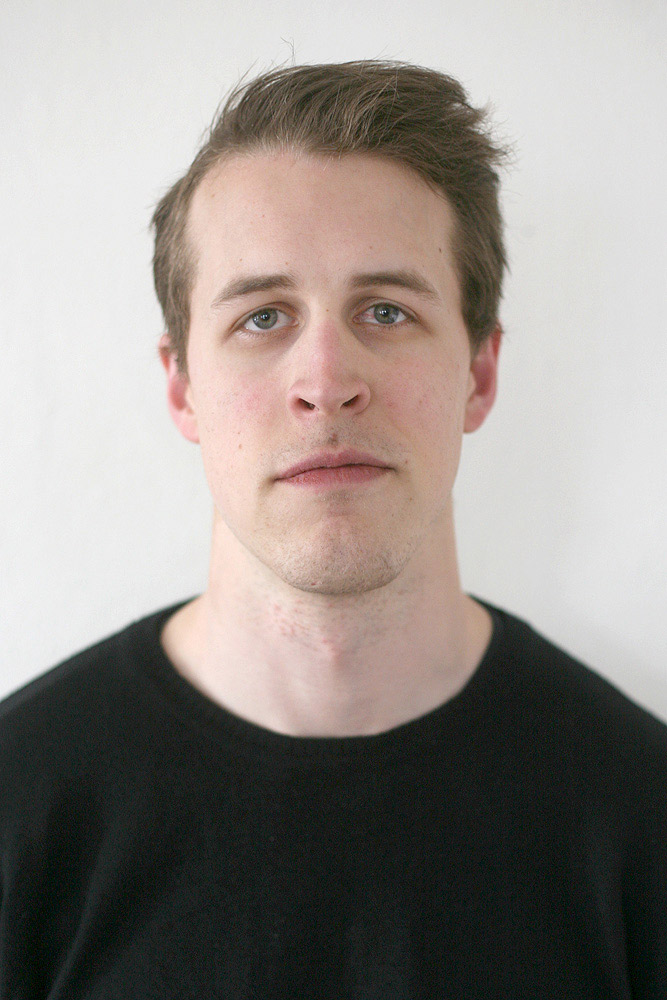
Photo: Lukas Norrsell.
Five million SEK more
The closing of the books will be done in February, but already, the numbers show that this year’s edition of Lundakarnevalen has had a turnover of 30 million SEK – about 5 million crowns more than Rätt- och felkarnevalen that took place in 2010.
The goal of Lundakarnevalen is that 10 percent of the turnover should be accessible as initial capital for the next carnival. At least half of this year’s surplus will then be divided and distributed to organisations operating in the student life of Lund.
“The carnival body decides how much money should be distributed, but we want to show that it is, most likely, a larger sum of money,” Joakim Winnerljung says.
The 2010 edition of Lundakarnevalen distributed 100,000 SEK to student life organisations. This year’s carnival will increase the distribution amount with 1000 percent. Why is that?
“That is 100 percent thanks to karnivalisterna’s hard work. But we have also worked to the bone with the economy, through alternative sources of income and making big purchases.”
“Our cooperation with the Folk University generated an income of about 1.2 million SEK, and the different sections of the carnival have been very disciplined in handing in lists of participants.”
Which sections got on the best?
“The closing of the books is not finished yet, but the new food- and drink area ‘Foodstock’ got on very well, as did ‘Shoppen’. We witnessed a trend in that visitors rather posted a picture on Instagram from the carnival than bought a t-shirt, but we managed to turn that trend around.”
This spring, you received a lot of criticism for being parsimonious with compensations, and for high committee costs. Do you think that you have prioritised in the correct way?
“It is hard to prophesise about that, and I do not want to say that it is easy to second-guess things. There and then, when we did not know what the weather would be like, and with the results of the carnivals of 2006 and 2010 in the back of our minds, it was hard not to make the decisions we did make.”
“The budget for compensations to the different carnival sections was 100,000 SEK more than it was in the carnival of 2010, not including Efterkarneveljen,” Joakim Winnerljung says.
Money to student organisations
In connection with Lundakarnevalen of 2010, 100,000 SEK were given to the student life of Lund University. AF-Borgen received new pubs, and Lillsjödal as well as the student centre in Skanör got new musical instruments. Furthermore, a goat received 1000 SEK worth of luxury feed.
On 31 January, 2015, at the latest, requests to the carnival body should be handed in.
More information about how requesting works can be found here.
Text: Carl-Johan Kullving
Translation: Richard Helander